
Getting healthcare isn’t always as simple as finding a doctor and making an appointment. For someone living in a large city, there may be several clinics nearby, pharmacies on almost every main road and plenty of information available online. That’s not the situation everywhere. In some communities, the nearest healthcare centre can be a long journey away. Transport becomes a problem. So does the cost. Even taking time away from work for an appointment can be difficult for a family that’s already trying to manage its monthly expenses.
These practical problems are easy to overlook when healthcare is discussed in broad terms. Community healthcare initiatives try to deal with some of them.
Taking Basic Healthcare Closer
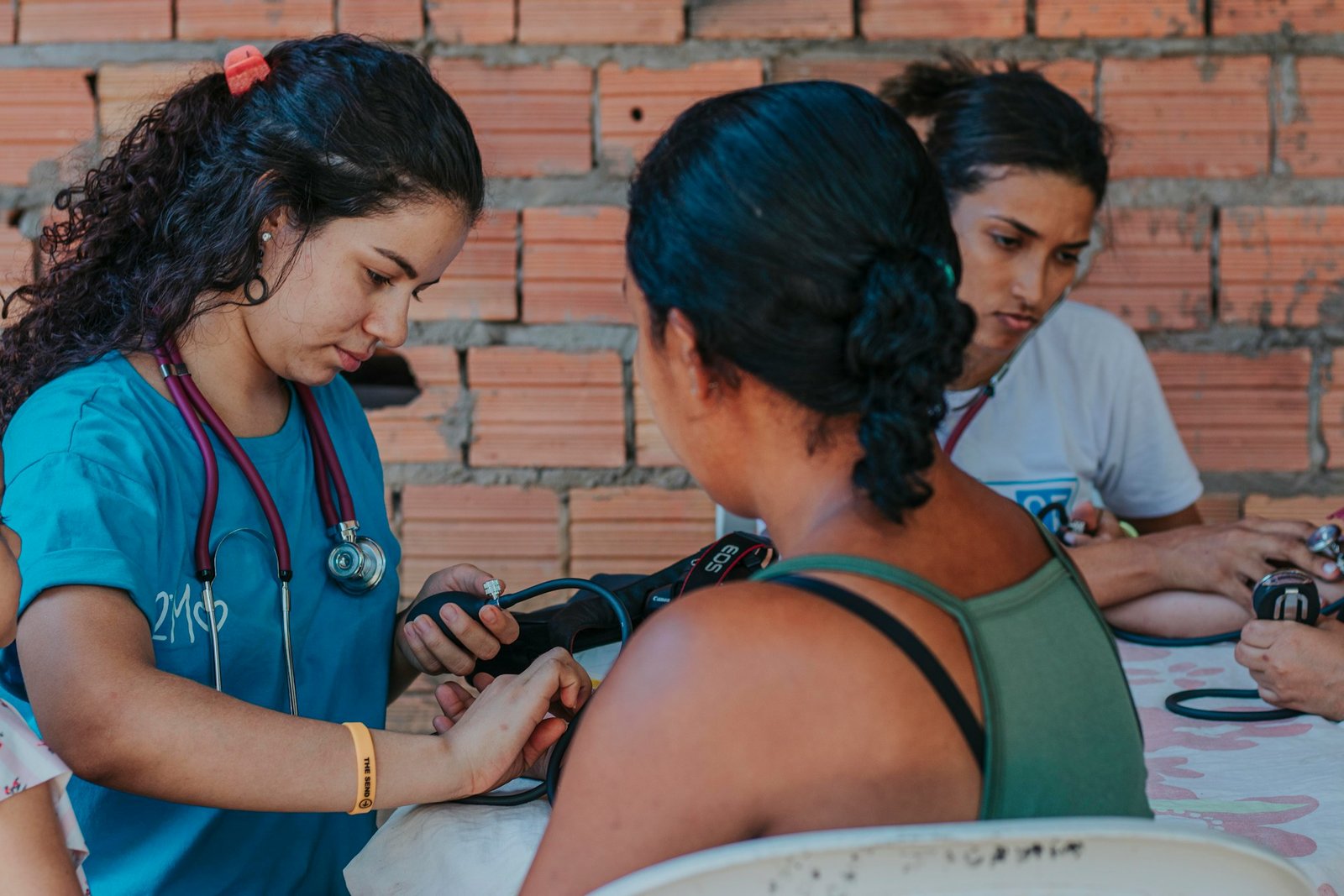
Mobile health clinics are one of the more practical ways of doing this. Instead of waiting for people to travel to a hospital or permanent clinic, healthcare workers can take certain services directly into the community. Screenings, vaccinations, basic examinations and health advice can all be provided this way. The services will not be the same as those offered by a large hospital, and they don’t need to be. A blood pressure check, for example, might seem like a very ordinary thing. But if somebody hasn’t had one in several years because getting to a clinic is difficult, it becomes much more useful.
The same applies to diabetes screening and vaccinations. Finding a problem early is usually much easier than dealing with the consequences later. And sometimes the biggest benefit of a community clinic is simply getting someone through the door.
Local People Can Make a Difference
Community healthcare isn’t only about setting up temporary clinics. The people providing the support matter too. Community health workers are often familiar with the areas they work in. They understand the local language and, just as importantly, the practical problems people are dealing with.
Someone might have been advised to see a specialist but not know where to go. Another person may not understand how to take a particular medication. There can also be people who have had bad experiences with healthcare before and are reluctant to try again. A local health worker can help with these small but important things.
The World Health Organization has been placing greater emphasis on the role of community health workers within primary healthcare, including proper training, supervision and integration with other health services. Its guidance on community health workers goes into these areas in more detail. This kind of support isn’t particularly high-tech. It’s just useful.
Mental Health Needs the Same Attention
There’s also a tendency to think of community healthcare as something that deals mainly with physical illness. Mental health should be included too. For some people, going directly to a mental health clinic is a difficult first step. There may be financial concerns, a lack of nearby services or the simple worry of being judged. Local counselling services, support groups and community programmes can make that first step easier.
Schools can have a role here as well. Teachers and support staff may notice changes in a child’s behaviour or wellbeing before anyone else does. Having somewhere to refer that child or family can be valuable. Of course, community programmes cannot replace specialist mental healthcare. They’re not supposed to. They can provide an earlier point of support and help people reach specialist services when they need them.
What Happens When Someone Needs More?
This is where things can get harder. Basic healthcare is one thing. Specialist care, regular therapy or medical equipment can be much more difficult to access. Think about a child who needs ongoing physiotherapy. Finding a specialist once is one problem. Getting to appointments every week for months is another. Add transportation costs, time away from work and the cost of treatment itself, and the situation becomes difficult very quickly.
Children with disabilities can face several of these barriers at the same time. UNICEF highlights transportation, inaccessible facilities, financial limitations and a shortage of appropriately trained healthcare professionals among the barriers affecting children with disabilities.
This is also where independent organisations can help. Specialised medical support remains out of reach for many vulnerable groups. Healthcare initiatives and global charities for disabled children can help families access medical equipment, therapy and other forms of support that may otherwise be difficult to afford. It doesn’t fix every problem. But it can remove one of the problems. For a family already dealing with a complicated healthcare situation, that can matter quite a lot.
Sometimes Better Information Helps
Not every community healthcare programme needs expensive equipment or specialist facilities. Health education can be surprisingly useful. A local session about nutrition might help families understand healthier food choices without assuming they’ve an unlimited budget. Information about diabetes or high blood pressure can encourage people to get checked. Maternal health sessions can explain why certain symptoms should not simply be ignored.
The information itself may be basic. Getting it to the right people is the difficult part. Online information is useful, but it doesn’t reach everyone equally. People may have limited internet access, limited digital skills or simply not know which sources to trust. Someone explaining the information locally can make it much easier to understand and act on.
Filling the Gaps
There’s no single community healthcare model that works everywhere. A remote village may need a mobile clinic. An urban neighbourhood may need affordable mental health support. Another community may have doctors available but very limited access to medication or specialist equipment. The needs are different. What these initiatives have in common is that they deal with the practical side of healthcare access.
A person cannot benefit from a medical service if getting there is impossible. A family cannot follow a treatment plan if the required equipment is unaffordable. And a patient cannot navigate the healthcare system very well if nobody has explained what to do next. That’s why community-based support remains useful, even as healthcare becomes more advanced.
Better hospitals and new medical technology are important. So are the less visible parts of the system that help people actually reach them. Sometimes improving healthcare isn’t about building something bigger. It’s about making what already exists a little easier to reach.
