

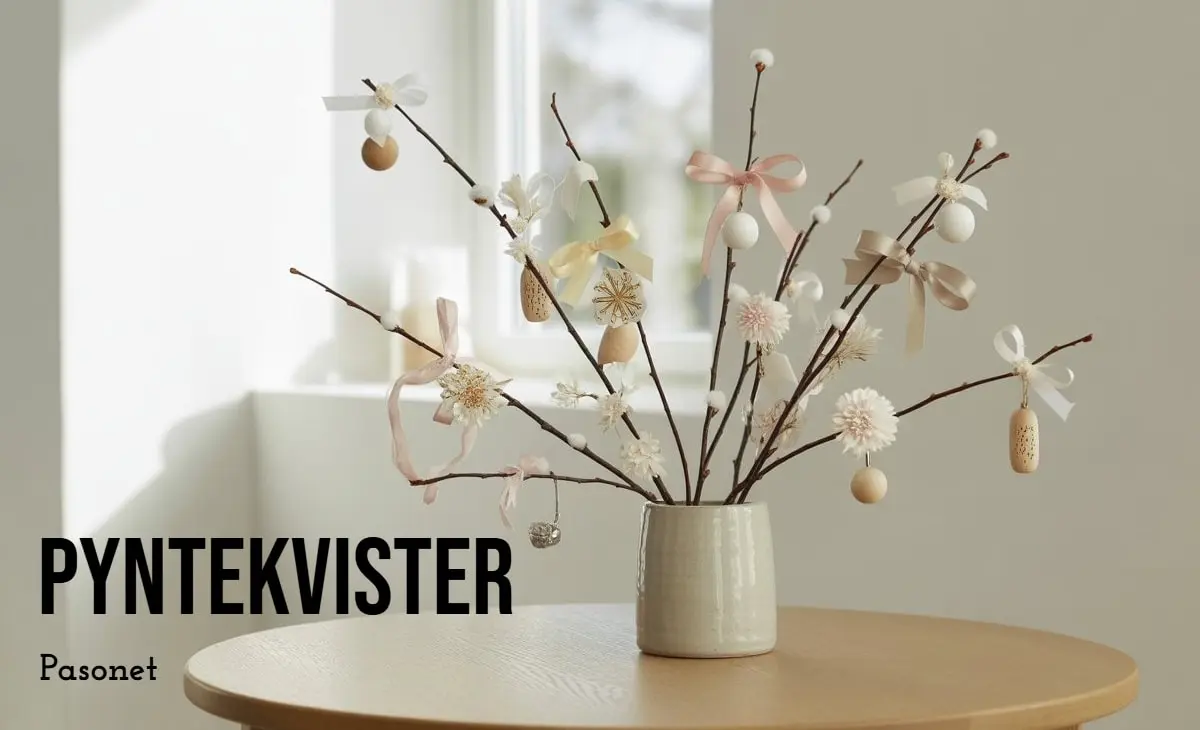
In modern interior design, simplicity and nature-inspired elements are gaining massive popularity. One such element that perfectly represents this trend is pyntekvister. The term refers to decorative branches used to enhance interior spaces in a minimal yet artistic way. Rooted in Scandinavian design principles, it combines nature, calmness, and elegance.
This décor idea is not about luxury or excess. Instead, it focuses on authenticity and balance. Whether placed in a vase, hung on a wall, or styled as a seasonal accent, it helps create warm and inviting spaces. In this guide, we will explore what pyntekvister are, how they are used, and why they have become a favorite choice for modern homes.
What Is Pyntekvister?
It is a Scandinavian term that loosely translates to “decorative branches.” These branches are usually natural, dried, or lightly treated to preserve their organic shape. Unlike artificial decorations, it celebrate imperfections such as uneven textures and natural curves.
They are often sourced from birch, willow, cherry blossom, or other visually appealing trees. Some branches are left plain, while others are painted white, gold, or soft neutral tones to match interior themes. The main goal is to bring the outdoors inside without overwhelming the space.
Why Pyntekvister Fit Perfectly in Scandinavian Design
Scandinavian interiors are known for their clean lines, neutral palettes, and close connection to nature. It align naturally with these principles. They add character without clutter and visual interest without distraction.
Natural light, wooden furniture, and minimal accessories are core elements of Nordic design. Decorative branches complement these features by adding height, texture, and softness. Because they are subtle, they do not compete with other décor items. Instead, they enhance the overall harmony of the room.
Popular Types of Pyntekvister Used in Homes
There are several types of pyntekvister, each offering a unique look and feel. The choice often depends on personal taste and seasonal trends.
Birch branches are among the most common. Their light color and fine texture suit modern interiors. Willow branches are flexible and elegant, often used in taller arrangements. Cherry blossom branches, whether real or preserved, add a delicate and artistic touch.
Painted branches are also popular. White-painted pyntekvister create a soft and airy atmosphere, while metallic tones add a modern twist. Some people prefer raw, untreated branches for a more rustic and authentic appearance.
How to Style Pyntekvister in Living Rooms
The living room is the most common place to display pyntekvister. A tall floor vase with long branches can instantly become a focal point. This works especially well in corners or next to sofas where vertical balance is needed.
Smaller arrangements can be placed on side tables or shelves. When styling, it is important to avoid overcrowding. One or two branches are often enough to make a statement. Neutral vases made of ceramic, glass, or stone pair best with decorative branches.
Lighting also plays a role. When natural light hits the branches, it highlights their texture and shape, adding depth to the room.
Using Pyntekvister as Seasonal Decor
One of the biggest advantages of pyntekvister is their versatility across seasons. In spring, branches can be decorated with small buds or pastel ornaments. During summer, they are often left plain to maintain a fresh and airy feel.
Autumn styling may include dried leaves or warm-toned accessories. In winter, pyntekvister are commonly used in festive décor with subtle lights or minimal ornaments. This adaptability makes them a long-term investment rather than a temporary trend.
Pyntekvister in Minimalist and Modern Interiors
Minimalist homes benefit greatly from pyntekvister because they add interest without adding clutter. In modern apartments with limited space, a single branch arrangement can replace multiple decorative items.
The key is restraint. Choosing branches with simple shapes and placing them strategically maintains the minimalist aesthetic. Pyntekvister also soften the sharp edges often found in modern furniture and architecture.
DIY Ideas for Decorating
One reason pyntekvister are so popular is that they are easy to work with. Many people collect branches themselves, making this décor option affordable and sustainable.
You can create wall-mounted branch art using a single horizontal branch. Hanging lightweight ornaments or dried flowers adds personality. Another idea is to spray-paint branches in soft tones to match your interior color scheme.
DIY projects allow complete customization and create a deeper connection with your living space.
Benefits of Using Natural Decorative Branches
Pyntekvister are not just visually appealing. They also offer practical and emotional benefits.
- They create a calming environment inspired by nature
- They are sustainable and eco-friendly
- They suit multiple interior styles
- They are low maintenance compared to fresh plants
Because they do not require water or sunlight, decorative branches are ideal for people who love nature-inspired décor but prefer low-effort solutions.
Real Example: Pyntekvister in a Scandinavian Apartment
In a small Scandinavian apartment in Copenhagen, the homeowner replaced traditional artwork with a large vase of birch pyntekvister. The branches were placed near a window, allowing natural light to highlight their structure.
The result was a calm and balanced living area. Visitors often commented on how the space felt warm yet uncluttered. This real-life example shows how simple decorative branches can transform a home without major changes or expenses.
How to Care for and Maintain Pyntekvister
Maintaining pyntekvister is simple. Dusting them occasionally with a soft cloth is usually enough. If the branches are untreated, keeping them away from moisture helps preserve their condition.
Painted or treated branches may last for years if handled gently. Avoid placing them in high-humidity areas unless they are properly sealed. With minimal care, pyntekvister can remain beautiful for a long time.
Where to Find Quality Pyntekvister
Pyntekvister can be found in home décor stores, Scandinavian design shops, and online marketplaces. Many people also source branches directly from nature, ensuring they are responsibly collected.
High-quality decorative branches often come from sustainable sources and are carefully prepared to maintain their appearance. Choosing ethically sourced pyntekvister supports eco-conscious living.
Also Read: Pasonet
Conclusion
Pyntekvister offer a unique way to bring nature into modern interiors. Their simplicity, versatility, and timeless appeal make them suitable for various design styles. From minimalist apartments to cozy family homes, decorative branches add character without overwhelming the space.
As interior trends continue to favor natural and sustainable elements, pyntekvister remain a smart and stylish choice. They are more than decoration; they are a reflection of calm, balance, and thoughtful living.
