

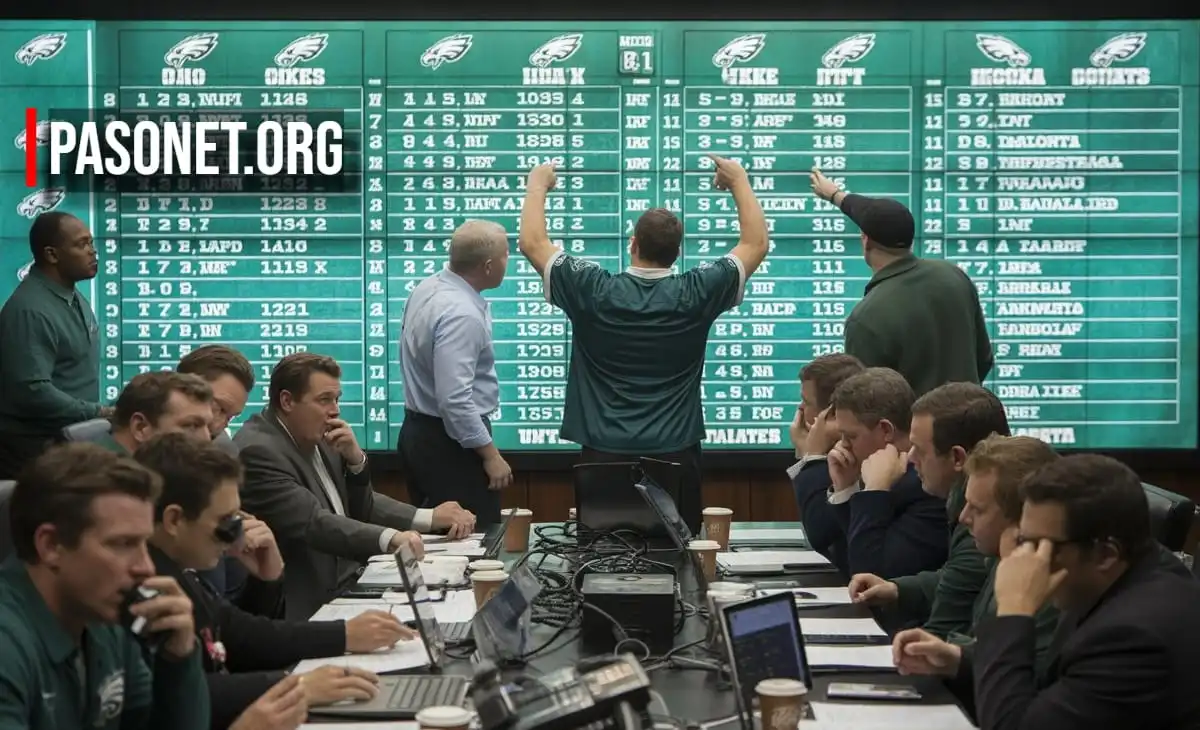
The phrase eagles rookie trade attempt refers to reported efforts by the Philadelphia Eagles to move up, move down, or reposition draft assets in order to acquire a specific rookie prospect. In the NFL, draft-day trades are common. However, not every attempt becomes a finalized deal. Sometimes teams explore options aggressively but walk away if the value does not align.
Understanding it requires more than headlines. It involves draft capital, roster depth, salary cap planning, and long-term vision. This article breaks everything down clearly. You will learn what happened, why it mattered, and how it could shape the franchise moving forward.
What Sparked the Eagles Rookie Trade Attempt
It emerged during draft discussions when reports suggested the team explored moving up the board. Draft boards are fluid. Teams constantly call each other. They test value. They calculate risk.
For the Eagles, timing mattered. The roster was competitive. However, specific positional needs remained. Moving up could secure a high-impact rookie before another team selected him. The front office weighed cost versus reward carefully. Ultimately, the attempt reflected preparation rather than desperation.
How NFL Draft Trade Attempts Usually Work
Draft trades are strategic negotiations. Teams exchange picks, sometimes including future selections. Every move carries value calculated through draft charts and analytics models.
In most cases, a trade attempt begins with internal evaluation. Scouts rank prospects. Coaches identify system fits. The general manager then contacts other teams. Discussions can last minutes or hours. Many attempts fail because compensation demands rise unexpectedly. They followed this standard pattern of exploration and calculated restraint.
Why the Eagles Considered Moving Up
The Eagles historically prioritize talent over position. When a high-ceiling rookie appears within reach, they evaluate trade scenarios quickly. In this case, analysts believed the team targeted either a defensive cornerstone or an offensive line successor.
Roster sustainability drives such decisions. Veteran contracts expire. Injuries occur. Planning ahead protects long-term competitiveness. They likely stemmed from identifying a prospect graded significantly higher than the team’s original draft slot allowed.
Financial and Salary Cap Implications
Draft picks are not only football assets. They are financial tools. Rookie contracts are cost-controlled under NFL rules. Securing a top rookie can provide elite performance at lower short-term cost.
However, trading up reduces future draft flexibility. Giving away picks may limit depth additions later. The Eagles are known for cap discipline. Therefore, they had to align with a long-term salary strategy. A single aggressive move cannot compromise roster balance for future seasons.
Case Study
To understand the logic behind the eagles rookie trade attempt, consider past draft aggression. In the 2016 NFL Draft, the Eagles traded up to select Carson Wentz. That move required multiple high picks. It was bold. It reshaped the franchise trajectory.
While not every trade mirrors that scale, the philosophy remains similar. Identify franchise-altering talent. Move decisively. Accept calculated risk. That earlier decision eventually contributed to a championship season. It shows why trade attempts are part of long-term planning, not impulsive reactions.
Risks Behind a Rookie Trade Attempt
Every draft trade includes risk. Here are key concerns teams evaluate:
- Loss of future draft depth
- Overestimating a prospect’s development curve
- Increased financial commitment to higher draft slots
- Reduced flexibility in later rounds
They likely paused at one of these checkpoints. When trade cost outweighs projected value, disciplined teams step back. That restraint can be as important as aggression.
Strategic Benefits If the Trade Had Happened
If successful, it could have delivered:
- Immediate roster upgrade at a premium position
- Long-term stability with a young cornerstone player
- Increased competitive window around veteran stars
- Strong marketing and fan engagement momentum
High-impact rookies can change defensive schemes or offensive structure instantly. The Eagles evaluate players who fit culture, versatility, and system adaptability. A successful trade could have accelerated roster evolution significantly.
How Fans and Analysts Reacted
Fan reactions were mixed. Some wanted bold movement. Others preferred patience. Analysts debated draft value charts and positional depth. Social media amplified speculation quickly.
However, informed observers noted that exploring a trade does not guarantee recklessness. The Eagles front office has a reputation for calculated decisions. They reflected active management rather than panic. That distinction matters when evaluating leadership competence.
Long-Term Implications for Team Building
Even an unsuccessful trade attempt influences strategy. It reveals organizational priorities. It signals positions of emphasis. They also strengthens negotiation relationships with other teams.
They demonstrated proactive scouting confidence. The front office believed a particular rookie tier held premium value. Though no finalized deal occurred, internal evaluations will shape future drafts. Strategic patience today can enable smarter moves next season.
Lessons from the Eagles Rookie Trade Attempt
Several broader lessons emerge from the eagles rookie trade attempt.
First, preparation is constant. Teams simulate multiple draft outcomes weeks in advance. Second, discipline protects sustainability. Walking away from a costly deal is sometimes the smartest move. Third, flexibility wins over rigidity. Draft boards change instantly. Organizations must adapt in real time.
Ultimately, the attempt shows that elite franchises balance ambition with restraint.
Conclusion
It was more than a rumor. It reflected strategic evaluation, roster planning, and disciplined decision-making. While the trade did not materialize, the exploration itself reveals how modern NFL teams operate.
Draft management defines long-term success. The Philadelphia Eagles demonstrated readiness to act while maintaining financial and roster balance. In the end, restraint may prove just as valuable as aggression. The eagles rookie trade attempt highlights a franchise committed to sustainable competitiveness rather than short-term headlines.
