

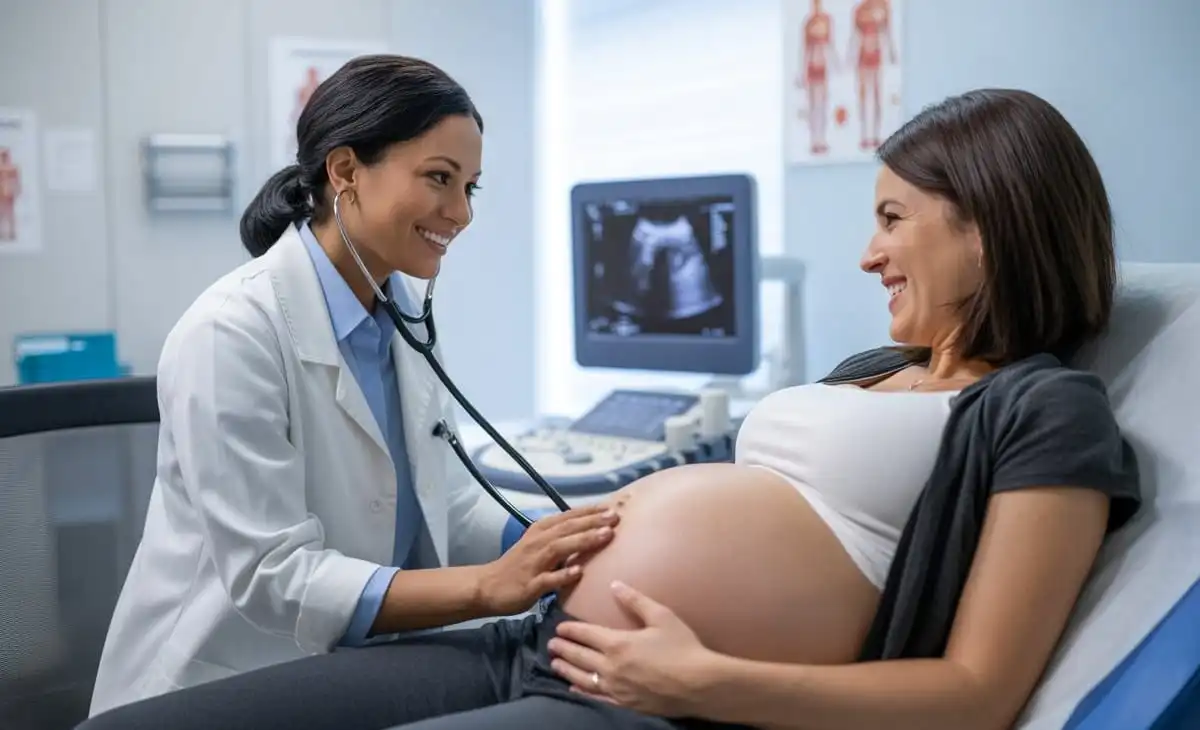
Pregnancy is one of the most important journeys in a person’s life. It brings excitement, hope, and sometimes uncertainty. Families want reassurance that both mother and baby remain safe throughout the process. This is where Obstetrika plays a crucial role. Obstetrika focuses on pregnancy, childbirth, and postpartum care. It combines medical science, technology, and emotional support to ensure healthy outcomes. From routine checkups to safe delivery planning, obstetrika provides structured care that protects lives and improves maternal health across communities.
What Is Obstetrika and Why It Matters
Obstetrika refers to the branch of medical science that deals specifically with pregnancy and childbirth. It covers prenatal care, labor management, delivery, and recovery after birth. The main goal is simple. Protect the mother and the baby at every stage.
This field matters because pregnancy can involve risks. Complications such as high blood pressure, diabetes, or premature birth need professional monitoring. Obstetrika provides the knowledge and tools to manage these challenges early. With proper care, many problems can be prevented or treated before they become serious.
The Core Responsibilities of Obstetrika Specialists
Professionals working in obstetrika handle a wide range of tasks. Their work begins as soon as pregnancy is confirmed and continues after delivery. They guide families through every stage with careful observation and support.
It specialists monitor fetal growth, track maternal health, and provide medical advice. They also perform ultrasounds, tests, and screenings. During labor, they ensure safe delivery conditions. After birth, they check recovery and newborn health. This continuous involvement creates confidence and safety for expecting parents.
Prenatal Care in Obstetrika
Prenatal care is the foundation of obstetrika. Regular checkups help detect health issues early. Doctors assess weight, blood pressure, and baby development. These visits provide opportunities to educate parents about nutrition and lifestyle.
Consistent prenatal monitoring reduces risks like anemia, infections, or growth problems. Mothers receive supplements and guidance tailored to their needs. When care begins early, the chances of complications decrease significantly. Obstetrika ensures that pregnancy is not left to chance but guided by professional support and planning.
Essential Tests and Screenings During Pregnancy
Modern obstetrika relies on medical tests to protect both mother and baby. These tests provide important information about health and development.
- Ultrasound scans to check fetal growth
- Blood tests to detect infections or deficiencies
- Glucose testing for gestational diabetes
- Blood pressure monitoring for preeclampsia
- Genetic screening when required
These screenings help doctors make informed decisions. Early detection means faster treatment. This preventive approach saves lives and improves outcomes for families around the world.
Nutrition and Lifestyle Guidance in Obstetrika
Healthy pregnancy depends not only on medicine but also on daily habits. It emphasizes balanced nutrition and lifestyle choices. Doctors encourage diets rich in iron, protein, and vitamins. Hydration and regular light exercise are also important.
Smoking, alcohol, and excessive stress are discouraged because they affect fetal development. Proper sleep and mental health support are equally necessary. Through education and counseling, obstetrika helps mothers build routines that promote safe growth and reduce complications naturally.
Labor and Delivery Management
One of the most critical aspects of obstetrika is managing labor and delivery. Childbirth can be unpredictable, so trained professionals must be prepared for every situation. Hospitals and clinics use structured plans to ensure safety.
It teams monitor contractions, heart rate, and maternal condition. They provide pain management options and emotional support. If complications arise, medical interventions such as assisted delivery or cesarean section are available. The focus remains on safe birth while minimizing stress for the family.
Postpartum Care and Recovery
Care does not end after delivery. It also covers the postpartum period, which is equally important. Mothers need time and support to recover physically and emotionally. Doctors check healing, hormonal changes, and breastfeeding progress.
Postpartum depression or infections can occur if ignored. Regular follow ups help address these issues quickly. Newborns also receive vaccinations and health assessments. This stage ensures that both mother and baby transition safely into daily life after birth.
Technology and Innovation
Advancements in technology have transformed obstetrika. Today, doctors use digital tools to provide more accurate and efficient care. Ultrasound imaging offers detailed views of fetal growth. Electronic monitoring tracks heartbeats and contractions in real time.
Telemedicine allows remote consultations for patients in rural areas. Health apps remind mothers about appointments and medications. These innovations make obstetrika more accessible and reliable. Technology supports faster diagnosis and better decision making, which ultimately improves maternal and infant health.
Real Life Case Study of Obstetrika Support
Consider a young mother living in a small town. During her first pregnancy, she visited an obstetrika clinic regularly. Early tests revealed mild anemia. Doctors provided supplements and dietary advice. Later, they detected slightly high blood pressure and monitored it closely.
Because of continuous care, potential complications were controlled. She delivered a healthy baby safely. Without obstetrika supervision, these issues might have gone unnoticed. This example shows how professional monitoring can prevent serious risks and ensure positive outcomes.
Benefits of Obstetrika for Families and Communities
It provides several long term benefits beyond individual care. When mothers receive proper support, infant survival rates improve. Healthy births strengthen families and reduce healthcare costs.
Communities also benefit from education programs run by obstetrika clinics. Awareness about hygiene, nutrition, and family planning spreads widely. Over time, maternal mortality decreases and overall public health improves. It therefore plays a crucial role not just in hospitals but in society as a whole.
Challenges Facing Obstetrika Today
Despite progress, it still faces challenges. In many regions, access to trained professionals remains limited. Rural areas may lack proper facilities. Financial constraints also prevent some families from seeking regular care.
Another issue is misinformation. Some people rely on myths rather than medical advice. This can lead to avoidable complications. Expanding education, improving infrastructure, and increasing awareness are essential steps to strengthen obstetrika services worldwide.
The Future of Obstetrika
The future of obstetrika looks promising. With better research and global health initiatives, maternal care continues to improve. Artificial intelligence may help predict risks earlier. Portable diagnostic devices could reach remote communities.
Training programs for healthcare workers are also expanding. These developments will make obstetrika more inclusive and efficient. The goal is clear. Every mother deserves safe pregnancy and childbirth regardless of location or income.
Conclusion
It is much more than a medical specialty. It is a system of care that protects mothers and babies during one of life’s most important phases. From prenatal checkups to postpartum recovery, it ensures safety, education, and support at every step.
In today’s world, where health risks still exist, professional guidance is essential. By choosing obstetrika care, families gain confidence and peace of mind. As technology and awareness grow, it will continue shaping healthier generations and safer births for communities everywhere.
