

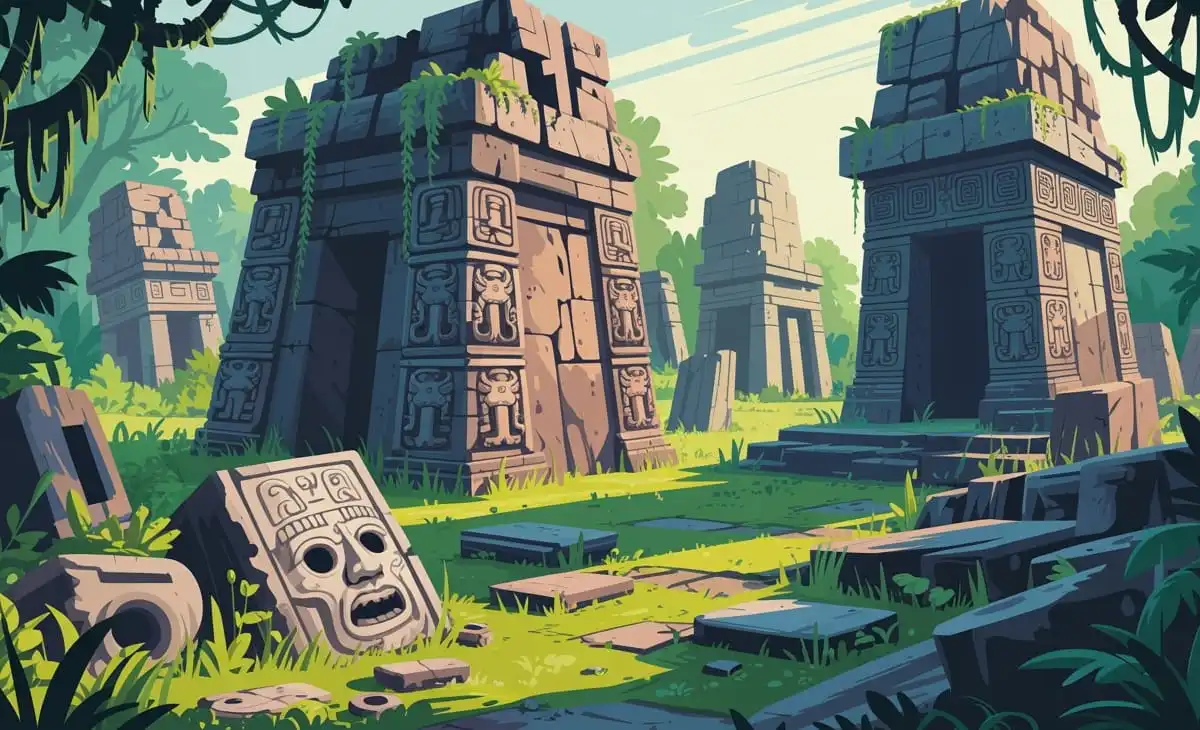
History is filled with civilizations that rose, flourished, and quietly disappeared, leaving behind fragments of their existence. Araachell is one such ancient civilization whose story remained hidden for centuries. Though not widely known, Araachell represents a society rich in culture, innovation, and social organization. Its legacy survives through ruins, artifacts, and historical interpretations that offer a glimpse into how early humans built complex communities. Exploring Araachell allows us to better understand the foundations of civilization and the timeless patterns of human progress.
Geographical Setting of Araachell
Araachell developed in a region shaped by natural advantages. Surrounded by protective hills and nourished by flowing rivers, the land provided fertile soil for agriculture. This geography allowed settlements to thrive while offering natural defense against invaders. Seasonal cycles influenced farming methods, and water management became one of Araachell’s earliest achievements. The environment played a central role in shaping the civilization’s economic and cultural identity.
Early Origins and Formation
The origins of Araachell trace back to small tribal communities that gradually united. Shared resources, mutual protection, and trade encouraged cooperation among groups. Over time, these settlements formed structured societies with leadership roles and shared traditions. Early Araachell inhabitants demonstrated advanced planning by organizing housing, storage facilities, and communal spaces. These foundations laid the groundwork for long-term stability and growth.
Social Structure and Governance
Araachell society was organized around a clear social hierarchy. Elders and leaders played key roles in decision-making, while skilled artisans, farmers, and traders formed the backbone of daily life. Governance relied on collective responsibility rather than absolute rule. Councils and assemblies allowed voices from different groups to be heard, creating balance and social harmony. This system encouraged unity and reduced internal conflict during the civilization’s peak.
Cultural Life and Traditions
Culture was deeply woven into everyday life in Araachell. Music, storytelling, and ceremonial gatherings strengthened social bonds. Festivals marked agricultural cycles and honored spiritual beliefs. Clothing and decorative arts reflected both function and symbolism, often inspired by nature. These traditions were passed down orally, ensuring continuity across generations and preserving the civilization’s identity.
Art, Architecture, and Innovation
Araachell artisans were known for their craftsmanship. Pottery, stone carvings, and textiles revealed both technical skill and artistic expression. Architecture featured strong foundations and symbolic designs, blending utility with spiritual meaning. Public buildings served as centers for governance and ritual. Innovations in construction techniques allowed structures to endure environmental challenges, some remnants of which still survive today.
Economic System and Trade Networks
Agriculture formed the economic base of Araachell. Crops such as grains and fruits supported population growth. Surplus production enabled trade with neighboring regions. Trade routes connected Araachell to distant communities, facilitating the exchange of goods, ideas, and cultural practices. These interactions enriched Araachell society and strengthened its regional influence.
Influence on Neighboring Civilizations
Araachell’s impact extended beyond its borders. Neighboring civilizations adopted its agricultural methods, artistic styles, and governance concepts. Trade relationships fostered mutual growth and peaceful coexistence. Religious beliefs and ceremonial practices also spread through cultural exchange. Araachell became a reference point for innovation and organization in the surrounding regions.
Spiritual Beliefs and Philosophy
Spiritual life held deep significance in Araachell. The people believed in a balance between humans and nature. Rituals were performed to honor natural forces and ancestral spirits. Temples and sacred spaces reflected these beliefs, serving as places of reflection and community gathering. This spiritual framework guided moral values and influenced decision-making at both individual and societal levels.
Challenges Faced by Araachell
Despite its strengths, Araachell faced numerous challenges. Environmental changes disrupted agricultural patterns. Population growth strained resources, requiring constant adaptation. External pressures from rival groups increased over time. These challenges tested the resilience of the civilization and exposed vulnerabilities within its social and economic systems.
The Gradual Decline of Araachell
The decline of Araachell was not sudden. Internal divisions weakened unity, while prolonged conflicts drained resources. Trade routes shifted, reducing economic stability. As leadership struggled to maintain control, communities became fragmented. Cultural practices slowly faded as survival took precedence over tradition. Eventually, Araachell’s cities were abandoned, leaving behind silent structures and unanswered questions.
Rediscovery in the Modern Era
Centuries later, Araachell resurfaced through archaeological exploration. Modern technology revealed hidden settlements beneath layers of soil and vegetation. Excavations uncovered tools, artworks, and inscriptions that reshaped historical understanding. Scholars began piecing together Araachell’s story, transforming it from myth to documented civilization.
Preservation and Cultural Importance
Preserving Araachell’s legacy has become a shared responsibility. Archaeologists, historians, and local communities work together to protect sites from damage. Educational programs raise awareness about the importance of cultural heritage. Digital archives and virtual reconstructions allow global audiences to engage with Araachell’s history, ensuring its story is not lost again.
Lessons from the Civilization of Araachell
Araachell teaches valuable lessons about cooperation, adaptability, and balance with nature. Its rise shows the power of unity and innovation, while its fall highlights the risks of internal division and environmental neglect. These lessons remain relevant today as modern societies face similar challenges in sustainability and governance.
Conclusion
The story of Araachell is a powerful reminder of humanity’s ability to create, adapt, and learn. Though the civilization faded, its influence continues through historical study and cultural reflection. By understanding Araachell, we gain insight into our shared past and guidance for shaping a more resilient future. The legacy of Araachell lives on—not just in ruins, but in the lessons it leaves behind.
