

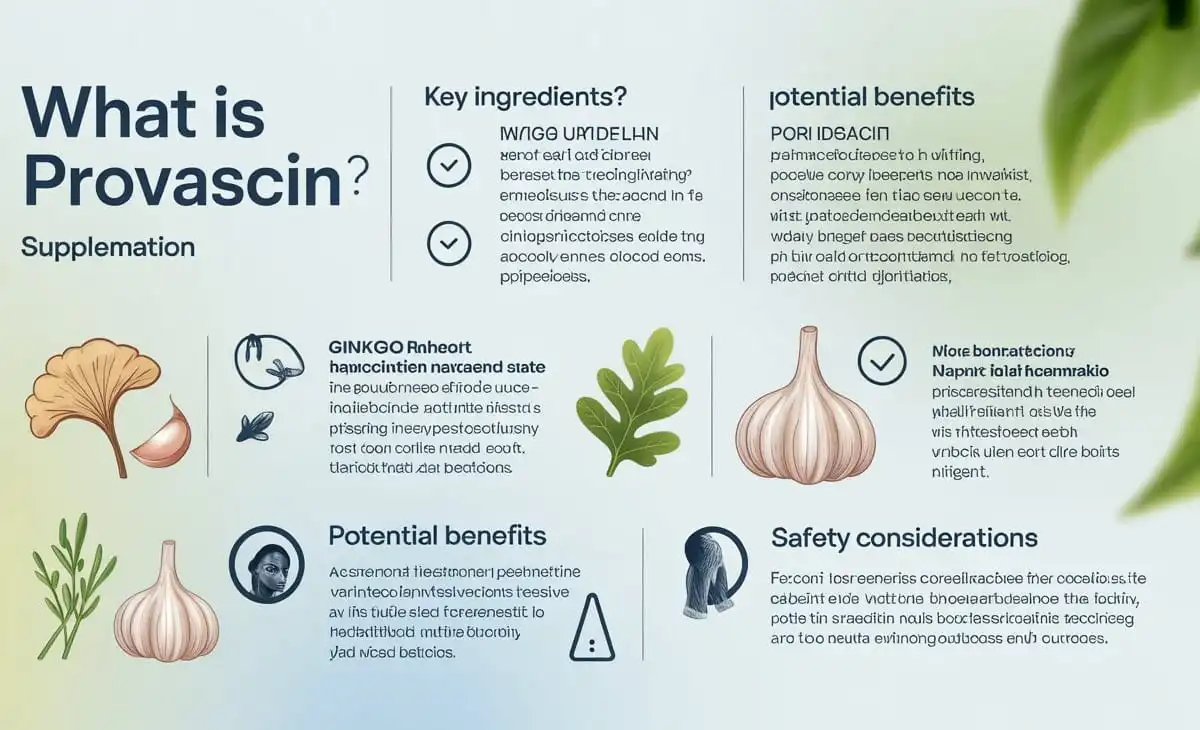
The wellness and supplement industry is filled with names that sound familiar yet unclear. Provascin is one such term. It appears in supplement stores, online marketplaces, and health discussions, often linked with cardiovascular wellness. However, many people are unsure what provascin actually is, what it contains, and whether it delivers real benefits. This uncertainty makes it important to approach the term with clarity, evidence, and realistic expectations. In this guide, we explore what provascin commonly represents, the types of ingredients associated with it, and how to evaluate such products safely and intelligently.
What Does the Term Provascin Commonly Mean?
The term provascin does not point to a single universal product. Instead, it is often used as a label associated with heart-health or cholesterol-support supplements. Depending on the seller or region, provascin may refer to different formulations with similar goals. This lack of standardization explains why descriptions and user experiences can vary significantly across platforms.
Provascin as a Heart-Health Supplement Line
In many cases, provascin is marketed as an over-the-counter supplement aimed at supporting cardiovascular function. These products often focus on cholesterol balance, blood vessel health, or circulation support. They are typically sold as capsules or softgels and positioned as part of a wellness routine rather than a medical treatment.
Provascin as a Single-Ingredient Product
Some listings describe provascin as a supplement built around one main ingredient, supported by minerals or antioxidants. These versions usually highlight a “hero ingredient” associated with lipid management or inflammation support. The intention is to simplify the formula while emphasizing one primary benefit.
Regional or Rebranded Variations of Provascin
The supplement market differs from country to country. As a result, provascin may appear as a rebranded or region-specific product. Ingredient availability, regulatory rules, and labeling standards influence how the formula is presented. This explains why two products with the same name may not deliver identical results.
Common Ingredient Categories Found in Provascin Products
Although formulations vary, many provascin-labeled supplements include similar ingredient categories. These ingredients are chosen for their potential cardiovascular benefits rather than guaranteed outcomes. Understanding their roles helps consumers make informed decisions.
Plant Sterols and Stanols
Plant sterols and stanols are commonly included in heart-health supplements. They work by competing with dietary cholesterol during absorption in the digestive system. For some individuals, this can lead to modest reductions in LDL cholesterol when used consistently and alongside a balanced diet.
Omega-3 Fatty Acids (EPA and DHA)
Omega-3 fatty acids are widely known for their cardiovascular support. In provascin formulations, they are often sourced from fish oil or algae. These fats may help manage triglyceride levels and support overall heart function. Product quality and proper dosing are essential for meaningful benefits.
Red Yeast Rice and Its Considerations
Red yeast rice has a long history in traditional wellness practices. It contains naturally occurring compounds similar to statins, which can influence cholesterol levels. However, potency varies, and regulations differ by region. Because of its statin-like effects, careful use and professional guidance are important.
Coenzyme Q10 (CoQ10)
CoQ10 plays a role in cellular energy production and is often included to support heart muscle function. Some people use it alongside cholesterol-lowering therapies to improve tolerance. While not a treatment, it may offer supportive benefits in certain individuals.
Garlic and Botanical Extracts
Garlic extracts are frequently added for their potential effects on blood pressure and lipid profiles. Standardized extracts are preferred for consistency. Botanical ingredients generally offer modest support rather than dramatic changes.
Berberine in Cardiometabolic Support
Berberine is gaining attention for its possible effects on glucose and lipid metabolism. In provascin-type supplements, it is often included in low to moderate doses. Users should be cautious, as berberine may interact with medications and cause digestive discomfort in some people.
Minerals Such as Magnesium and Potassium
Electrolytes like magnesium and potassium support normal muscle and nerve function, including heart rhythm. When included appropriately, they may assist blood pressure regulation. Excess intake, however, can pose risks, especially for individuals with kidney concerns.
Expected Benefits of Using Provascin
Heart-health supplements can offer supportive benefits, but expectations should remain realistic. Possible outcomes include mild improvements in cholesterol markers, small effects on blood pressure, and overall support when combined with healthy habits. Results vary based on formulation, dosage, and individual health status.
What Provascin Cannot Do
It is important to understand limitations. Provascin is not designed to cure cardiovascular disease or replace prescribed medications. It cannot reverse arterial plaque overnight or eliminate the need for medical supervision. Viewing it as a complementary tool rather than a solution helps prevent disappointment and risk.
Safety and Quality Considerations
Quality control is essential in the supplement market. Consumers should look for transparent labeling, clear ingredient dosages, and third-party testing when available. Avoid products with vague claims or missing Supplement Facts panels.
Potential Medication Interactions
Certain provascin ingredients may interact with medications. Red yeast rice can duplicate statin effects. Omega-3s and garlic may influence blood clotting. Berberine can affect blood sugar levels. Anyone on prescription therapy should consult a healthcare professional before use.
Who Should Seek Medical Guidance First
Individuals with chronic conditions, pregnant or breastfeeding individuals, and those taking multiple medications should seek professional advice before using provascin products. Personalized guidance ensures safety and appropriate expectations.
How to Evaluate Provascin Marketing Claims
Marketing language can be misleading. Phrases like “clinically proven” may refer to individual ingredients rather than the full product. Consumers should verify dosage accuracy, ingredient forms, and regulatory compliance rather than relying on promotional headlines.
Matching Dosage to Scientific Evidence
Effective supplementation depends on correct dosing. Underdosed products may offer little benefit, while excessive amounts may increase risk. Comparing label doses with evidence-based ranges helps determine value and safety.
Building a Smart Heart-Health Routine
Supplements work best when paired with foundational habits. A diet rich in fiber, healthy fats, and whole foods supports cardiovascular wellness. Regular physical activity, quality sleep, and stress management amplify any supplement’s potential impact.
Practical Supplement Use Strategy
Introducing one supplement at a time allows users to monitor tolerance and effects. Tracking cholesterol panels, blood pressure, and overall wellbeing over several weeks provides measurable feedback. Consistency matters more than quick fixes.
The Role of Professional Guidance
Healthcare professionals offer valuable perspective. Sharing supplement labels and discussing goals ensures alignment with medical needs. In some cases, prescription therapies may be more effective or economical than supplements.
Conclusion
Provascin is best understood as a flexible term used across the wellness industry rather than a single standardized product. Its association with heart health reflects growing interest in preventive and supportive approaches to cardiovascular care. While certain ingredients may offer modest benefits, safety, quality, and realistic expectations are essential. When used thoughtfully and alongside healthy lifestyle choices, provascin-type supplements can play a supportive role—but informed decision-making remains the most powerful tool for heart health.
