

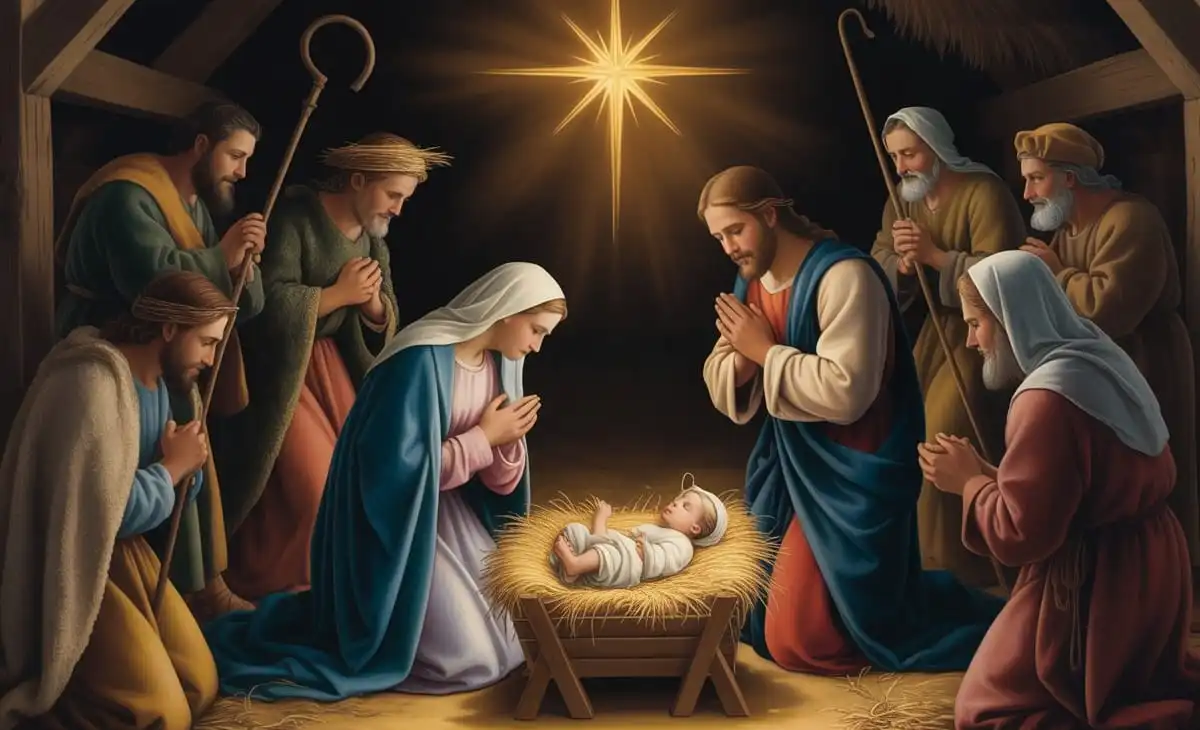
When we speak about Nativität, we are referring to one of the most meaningful and deeply rooted events in human history the birth of Jesus Christ. For Christians around the world, this moment represents far more than a historical occurrence. It symbolizes hope, humility, love, and the beginning of a message that has shaped faith, culture, and traditions for centuries.
The story of the Nativität reminds us that extraordinary change can begin in the simplest of places. From a humble manger in Bethlehem emerged a message of peace and salvation that continues to guide millions of people today. Whether explored through faith, history, or culture, it remains a powerful and relevant symbol in the modern world.
What Is Nativität?
Nativität, commonly known as the Nativity, refers to the birth of Jesus Christ in Bethlehem more than two thousand years ago. The term comes from the Latin word nativitas, meaning “birth.” In Christian belief, this event marks the arrival of the Son of God into the world.
The story is mainly described in the Gospels of Matthew and Luke in the Bible. It tells how Mary and Joseph traveled to Bethlehem, where Jesus was born in modest surroundings. Shepherds were among the first to hear the news, announced by angels, while wise men followed a star to honor the newborn child with gifts. This simple yet profound story forms the foundation of Christian belief and the celebration of Christmas.
The Historical Background of Nativität
To fully understand the Nativität, it helps to look at its historical setting. At the time of Jesus’ birth, Judea was under Roman rule. A census ordered by Roman authorities required people to return to their ancestral towns, which is why Mary and Joseph traveled to Bethlehem.
Life during this period was challenging, especially for ordinary families. The humble circumstances of Jesus’ birth reflect the realities of the time and highlight the powerful contrast between worldly power and spiritual significance. This historical context makes the message of the Nativität even more meaningful.
The Religious Importance of Nativität
For Christians, it holds deep spiritual meaning. It represents the moment when God entered the human world in a form that people could understand and relate to. Rather than arriving with power and wealth, Jesus was born into simplicity.
This event is seen as the fulfillment of ancient prophecies found in the Old Testament. It also marks the beginning of Jesus’ earthly mission teaching love, compassion, forgiveness, and faith. It stands as a reminder that divine purpose can be revealed through humility.
The Nativity Story Explained
The story of the Nativität is simple but filled with symbolism. Mary, chosen to be the mother of Jesus, accepted her role with faith. Joseph supported her despite uncertainty and challenges. With no room available at the inn, Jesus was born in a stable and placed in a manger.
Angels appeared to shepherds, announcing good news of great joy. These shepherds, ordinary people, were invited to witness an extraordinary moment. Later, wise men from the East followed a star, bringing gifts of gold, frankincense, and myrrh each with symbolic meaning related to kingship, divinity, and sacrifice.
Nativität and the Meaning of Christmas
Christmas is celebrated around the world because of the Nativität. While modern celebrations often include decorations and gift-giving, the heart of Christmas remains the remembrance of Jesus’ birth.
Church services, prayers, and nativity plays help keep the spiritual meaning alive. The Nativität reminds people that Christmas is not just about celebration, but about reflection, gratitude, and generosity.
How Nativität Is Celebrated Around the World
Different cultures celebrate the Nativität in unique and meaningful ways. Despite cultural differences, the central message remains the same.
Common Global Traditions
- Nativity scenes displayed in homes and churches
- Midnight Mass on Christmas Eve
- Christmas carols telling the story of Jesus’ birth
- Community gatherings and festive meals
Cultural Variations
In Europe, Christmas markets often feature detailed nativity displays. In Latin America, reenactments and processions bring the story to life. In the Philippines, the tradition of Simbang Gabi includes nine days of early morning prayers leading up to Christmas. These customs show how the Nativität has become a shared global tradition.
The Symbolism Within Nativität
Every element of the Nativität story carries meaning. The manger symbolizes humility. The star represents guidance and hope. The shepherds reflect simplicity and faith, while the wise men represent wisdom and devotion.
Together, these symbols remind us that faith is not limited by status or background. It teaches that everyone has a place in the story.
Nativität as a Source of Inspiration
Beyond religion, It inspires universal values that resonate with people of all backgrounds. It encourages kindness, patience, and compassion. The story highlights the importance of trust during uncertain times and the power of quiet strength.
Many people find comfort in the message of peace associated with the Nativität, especially during difficult moments in life.
Lessons We Can Learn from Nativität
The story of the Nativität offers timeless lessons that apply even today.
It teaches us that great things can begin in small ways. It reminds us to value simplicity and humility. It encourages generosity and care for others. Most importantly, it highlights love as a guiding force in life.
These lessons make the Nativität meaningful not only during the holiday season but throughout the year.
Nativität in Art, Music, and Culture
Over centuries, the Nativität has inspired countless works of art and music. Paintings from the Renaissance, classical music, and modern films continue to retell the story.
Christmas carols such as “Silent Night” and “O Holy Night” capture the emotional essence of the Nativity. These creative expressions help preserve the story and pass it on to future generations.
Teaching Children About Nativität
For families, it is an opportunity to teach children about faith, kindness, and gratitude. Simple activities like setting up a nativity scene, reading the story together, or participating in school plays can make the lesson meaningful and memorable.
This helps children understand that the season is about more than gifts it is about values and togetherness.
Why Nativität Still Matters Today
In today’s fast-paced world, it offers a moment to pause and reflect. Its message of peace, hope, and love remains relevant in every generation.
Whether viewed as a sacred religious event or a cultural tradition, the Nativiität continues to unite families and communities. It reminds us of the importance of compassion and shared humanity.
Conclusion
It is more than a historical story it is a living message that continues to inspire hearts across the world. It represents humility, faith, and the promise of new beginnings. From a quiet stable in Bethlehem came a story that has shaped centuries of belief and culture.
As we remember and celebrate the Nativität, we are reminded that light can emerge from darkness and hope can be born even in the simplest circumstances. This timeless message is what makes the Nativität truly unforgettable.
