

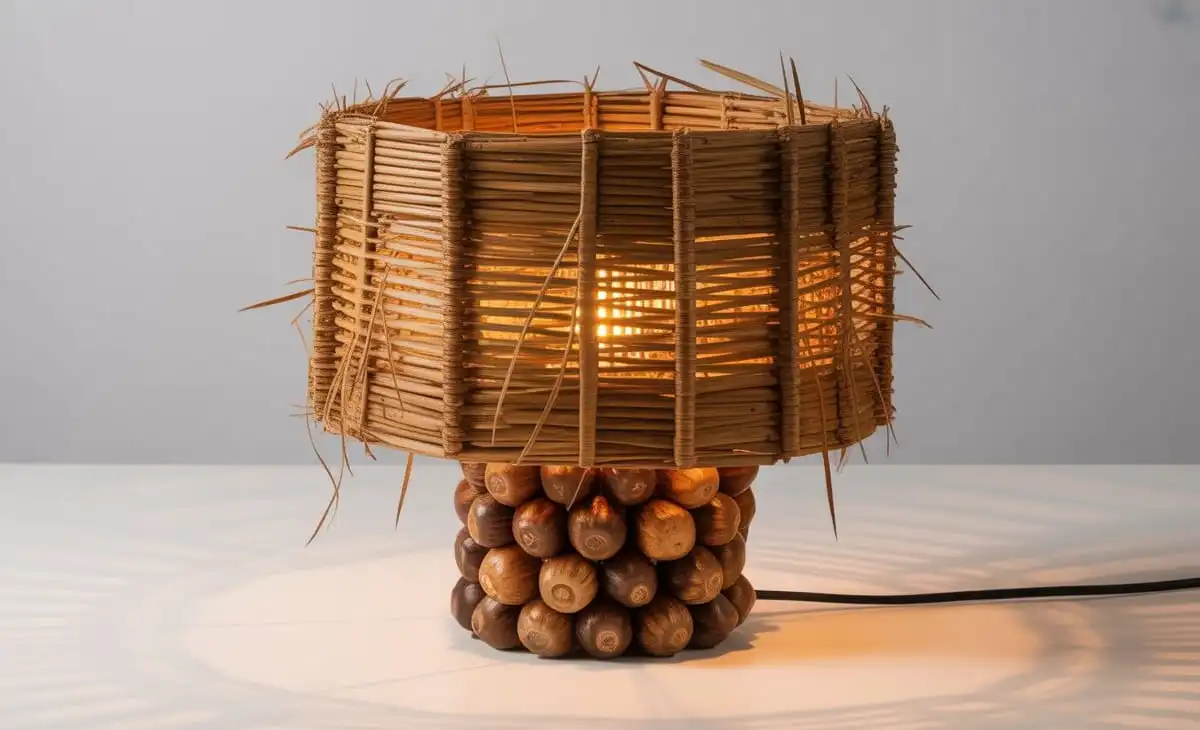
Across many tropical countries, oil palm farming is a major industry that supports millions of livelihoods. However, it also produces a large amount of agricultural waste such as empty fruit bunches, fibers, shells, and fronds. Most of this waste is either burned or left to decay, which can harm the environment. This is where the oil palm waste used lamp project becomes a smart and practical solution. Instead of treating waste as a problem, this idea transforms it into something useful and sustainable: light. By converting leftover biomass into eco friendly lamps, communities can reduce waste, save energy, and create low cost lighting solutions at the same time.
Understanding Oil Palm Waste and Its Challenges
Oil palm processing creates tons of by products every day. After extracting oil, large quantities of solid materials remain behind. These include palm shells, empty fruit bunches, and fibers. In many rural areas, this waste is dumped or burned openly, which leads to air pollution and soil damage. Over time, waste management becomes expensive and difficult for small farmers. Without proper recycling systems, valuable resources are simply lost. The oil palm waste used lamp project addresses this issue by turning these leftover materials into useful products instead of letting them go to waste.
What Is the Oil Palm Waste Used Lamp Project
The oil palm waste used lamp project is an innovative environmental and energy saving initiative. It focuses on using oil palm residues to create bio based lamps or lighting systems. These lamps can work using biomass fuel, biochar, or processed fibers. Some designs even use palm shells to create charcoal briquettes that act as clean burning fuel. The main goal is simple: convert waste into energy. This project combines sustainability, creativity, and practical engineering to offer affordable lighting to homes, schools, and small businesses, especially in off grid or rural areas.
Materials Collected from Oil Palm Waste
The project mainly depends on materials that are easily available at palm oil mills or farms. Commonly used items include:
- Palm shells for charcoal or fuel briquettes
- Empty fruit bunch fibers for insulation or structure
- Palm fronds for lamp frames or design elements
- Biochar for clean burning fuel
- Natural resins or oils for binding materials
These items cost very little because they are usually discarded. This makes the project highly economical and suitable for small communities.
How the Lamp Is Created Step by Step
Building a lamp from palm waste involves a simple but creative process. First, palm shells are cleaned and converted into charcoal or briquettes through controlled heating. This fuel burns longer and produces less smoke. Next, lamp bodies are made using compressed fibers or recycled containers. After that, a small combustion or heat chamber is added to hold the fuel safely. Finally, a protective glass or metal cover directs the light outward. The result is a durable and low cost lamp. Through the oil palm waste used lamp project, even basic tools can be used to manufacture these lamps locally.
Environmental Benefits of This Project
One of the biggest advantages of this idea is its positive impact on the environment. Agricultural waste is reused instead of being burned or dumped. This reduces air pollution and greenhouse gas emissions. Using biomass fuel also decreases dependency on fossil fuels like kerosene or diesel. The project promotes a circular economy where waste materials are continuously reused. Over time, communities can maintain cleaner surroundings and reduce their carbon footprint. The oil palm waste used lamp project shows how small changes in resource use can create big environmental improvements.
Economic Opportunities for Local Communities
Beyond environmental benefits, this project can also create income. Local workers can collect, process, and convert palm waste into lamp components. Small workshops can produce and sell these lamps at affordable prices. Farmers who previously had no use for their waste can now earn extra money by supplying raw materials. Youth groups and small businesses can start micro enterprises based on lamp manufacturing. In this way, the oil palm waste used lamp project supports both sustainability and employment. It turns a waste problem into an economic opportunity for many families.
Real Life Example from a Rural Village
In a small farming village, electricity supply was limited and many homes relied on expensive kerosene lamps. A local team started experimenting with palm shells and fibers to make biofuel lamps. Within a few months, they developed simple lamps that burned shell charcoal safely and produced steady light. Families began using these lamps every evening. Fuel costs dropped, and smoke levels decreased inside homes. The success of this small initiative encouraged nearby villages to adopt the same method. This case shows how the oil palm waste used lamp project can work effectively in real life.
Educational and Student Project Potential
This idea is also excellent for schools, colleges, and science fairs. Students can learn about renewable energy, recycling, and sustainable design through practical experiments. They can build small prototypes, test different fuels, and measure light output. Such activities improve creativity and problem solving skills. Teachers can use the oil palm waste used lamp project to explain concepts like biomass energy, waste management, and green technology. It becomes not just a product but also a learning experience that encourages environmental responsibility among young people.
Comparison with Traditional Lighting Methods
When compared to kerosene or battery powered lamps, palm waste lamps offer several advantages:
- Lower fuel cost and easy availability
- Less smoke and reduced indoor pollution
- Reusable and eco friendly materials
- Local production without expensive imports
- Reduced dependence on electricity
Traditional lighting often depends on costly fuels or disposable batteries, while biomass lamps rely on natural and renewable sources. This makes them more sustainable in the long term.
Challenges and Possible Improvements
Despite its benefits, the project also faces some challenges. Fuel efficiency may vary depending on material quality. Poorly designed lamps can produce smoke or low brightness. There is also a need for better safety measures and standard designs. Training and awareness are important for correct usage. With improved research, better combustion systems, and stronger materials, the oil palm waste used lamp project can become even more efficient. Future upgrades may include hybrid designs that combine biomass with small solar panels for extra lighting power.
Future of Waste Based Energy Solutions
The world is moving toward renewable and sustainable energy solutions. Projects like this show that even small innovations can make a big difference. Agricultural waste exists in huge quantities worldwide, and using it for energy reduces pressure on natural resources. As technology improves, similar ideas can be applied to other crops and materials. The success of the oil palm waste used lamp project proves that waste is not useless. With creativity, it becomes a valuable source of energy and opportunity.
Conclusion
The oil palm waste used lamp project is a powerful example of turning a common problem into a smart solution. By reusing agricultural waste, communities can reduce pollution, save money, and gain access to affordable lighting. It supports both environmental protection and economic growth. Whether used in rural homes, small businesses, or educational institutions, this project demonstrates the true value of sustainable thinking. Instead of throwing waste away, we can transform it into light that brightens lives and protects the planet at the same time.
