

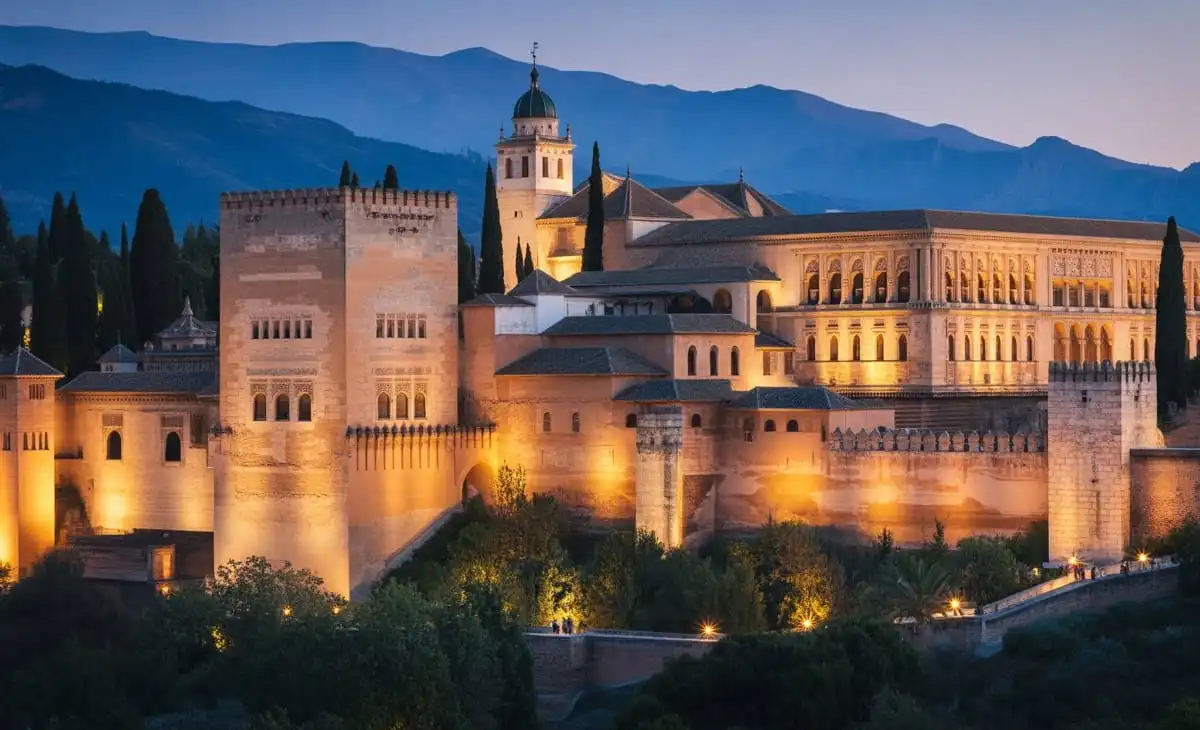
The Alhambra Palace in Granada stands as one of Europe’s most iconic heritage landmarks. Known for its architectural brilliance and historical depth, it attracts millions of visitors every year. While daytime tourism dominates public attention, a quieter and more strategic model has emerged in recent years, Alhambra Night Tour Attendance Revenue.
These limited-access evening visits are no longer just a cultural experience; they have become a high-value economic model that proves heritage tourism can generate strong revenue without compromising preservation.
The concept of Alhambra night tour attendance revenue demonstrates how exclusivity, sustainability, and experience-based tourism can work together to create long-term financial and cultural value.
Understanding the Alhambra Night Tour Experience
Alhambra night tours offer visitors curated evening access to selected sections of the palace complex, including the Nasrid Palaces and Generalife Gardens, depending on the season.
These tours are carefully designed with:
- Low-impact architectural lighting
- Controlled visitor movement
- Restricted group sizes
- Preservation-focused access planning
Unlike daytime visits, the focus is not volume it is atmosphere, storytelling, and emotional engagement. The calm environment allows visitors to experience the monument with depth, reflection, and connection, creating a premium cultural experience.
This exclusivity is a core driver of Alhambra night tour revenue growth.
Attendance Patterns and Demand Dynamics
Night tour attendance represents a strategically limited segment of total visitors. Instead of mass entry, access is regulated to protect the monument’s fragile interiors and historical structures.
Despite restricted capacity, demand remains consistently high. Advance bookings, frequent sell-outs, and seasonal waiting lists indicate that demand exceeds supply a key indicator of strong revenue sustainability.
This model proves a critical principle of modern tourism economics:
Higher value per visitor often outperforms higher visitor volume.
Controlled Access as a Revenue Strategy
One of the strongest elements behind the success of Alhambra night tours is capacity control.
Rather than maximizing numbers, the system prioritizes:
- Conservation of heritage materials
- Visitor experience quality
- Long-term site sustainability
- Revenue efficiency
This approach creates a premium positioning model fewer visitors, higher perceived value, stronger margins, and lower physical strain on the monument.
It is a sustainable alternative to mass tourism models that often damage heritage sites over time.
Ticketing Structure and Economic Design
Night tours are positioned as a premium cultural product rather than a general tourist offering. Pricing reflects:
- Limited availability
- Preservation costs
- Operational efficiency
- Experience exclusivity
Ticket models typically include:
- Standard evening access
- Guided cultural tours
- Small-group experiences
- Specialized heritage storytelling tours
From a financial perspective, this structure generates high revenue density per visitor, making night tours economically efficient despite lower attendance volume.
Revenue Impact and Financial Performance
Alhambra night tours generate a high-yield revenue stream within the palace’s overall tourism system. While representing a small percentage of total visitors, they produce a disproportionately strong financial contribution.
This revenue model benefits from:
- Lower staffing requirements
- Reduced operational hours
- Minimal infrastructure strain
- High ticket value
The result is a high-margin cultural tourism model that supports both income generation and preservation funding.
Reinvestment into Heritage Preservation
A defining strength of this model is how revenue is used.
Income generated from night tours is reinvested into:
- Structural conservation
- Restoration projects
- Lighting and security systems
- Research and documentation
- Visitor infrastructure upgrades
This creates a self-sustaining heritage cycle where tourism directly funds preservation instead of accelerating degradation.
Visitor Profile and Economic Multiplier Effect
Night tour visitors tend to differ from daytime tourists in both behavior and spending patterns.
Typical characteristics include:
- Advance trip planning
- Preference for premium experiences
- Higher accommodation spending
- Longer stays in Granada
- Cultural-focused travel motivations
This creates a local economic multiplier effect, benefiting hotels, restaurants, transport services, and local businesses extending economic impact beyond the monument itself.
Seasonality and Demand Management
The night tour system operates on a strategic seasonal model.
- Peak seasons focus on higher availability and optimized revenue
- Low seasons prioritize conservation, maintenance, and controlled access
- Capacity adjustments ensure year-round sustainability
This creates a balanced tourism flow, protecting the site while maintaining stable income.
Cultural Value Beyond Revenue
Beyond economics, Alhambra night tours deliver deep cultural impact.
The evening environment enhances:
- Architectural appreciation
- Historical storytelling
- Emotional connection
- Cultural reflection
Low-impact lighting design preserves materials while highlighting artistic details, allowing visitors to experience the palace as a living cultural narrative rather than a crowded attraction.
This positions night tours as both a cultural service and an economic asset.
Future Outlook: Experience-Based Heritage Tourism
Global tourism trends show a clear shift toward:
- Quality over quantity
- Exclusive experiences
- Meaningful travel
- Cultural depth
- Sustainable tourism models
Alhambra night tours align perfectly with this future direction. Limited access, premium positioning, and preservation-first strategy ensure long-term relevance and financial stability.
The model reflects the future of heritage tourism where experience, sustainability, and economics coexist.
Strategic Insight
Alhambra night tours prove a powerful concept:
“Heritage sites do not need mass tourism to achieve financial success they need intelligent tourism design.”
By combining exclusivity, sustainability, and experience-driven value, the Alhambra has created a tourism model that protects history while generating consistent revenue.
Conclusion
Alhambra night tours represent more than an evening visit they represent a new economic philosophy in cultural tourism.
They show how:
- Controlled access creates value
- Exclusivity drives demand
- Sustainability builds trust
- Heritage preservation and revenue can coexist
This model is not just profitable it is future-proof.
The Alhambra’s night tours stand as a global example of how cultural heritage can be protected, monetized, and honored at the same time.
