

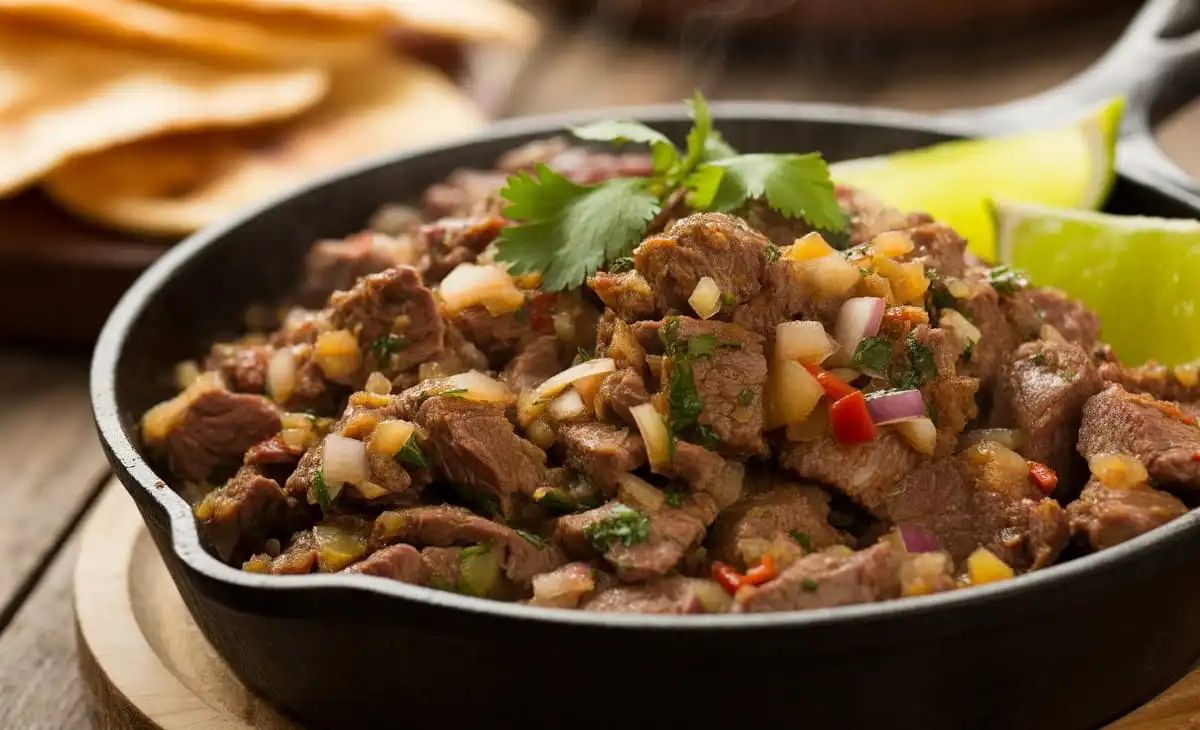
Brazilian cuisine is rich, diverse, and deeply connected to regional traditions. Among its many comforting dishes is Piçada, a flavorful chopped meat preparation known for its simple ingredients and bold seasoning. This dish represents the heart of Brazilian home cooking, where rustic techniques and fresh components create satisfying meals.
It is not about complex presentation. It is about taste, aroma, and bringing people together around the table.
What Is Piçada
It comes from the Portuguese word “picar,” which means “to chop.” The name perfectly describes the dish. It typically consists of finely chopped or minced beef cooked with garlic, onions, peppers, and herbs. Some variations also include tomatoes or regional spices.
Unlike heavily processed meat dishes, it focuses on fresh preparation. The meat is often hand chopped to maintain texture and flavor. The result is a juicy, aromatic dish with rich layers of seasoning.
The Cultural Roots of Piçada
It is closely linked to Brazilian rural cooking traditions. It is commonly prepared in home kitchens rather than restaurants. Families pass down their own variations through generations.
In many regions of Brazil, particularly in the countryside, it is considered comfort food. It reflects a practical cooking style where simple ingredients are transformed into something hearty and filling. This connection to family and tradition makes the dish culturally meaningful.
Main Ingredients Used in Piçada
The beauty of Piçada lies in its simplicity. The base ingredients usually include:
- Fresh beef, finely chopped
- Garlic
- Onion
- Bell peppers
- Tomatoes (optional depending on region)
- Fresh herbs such as parsley or cilantro
- Salt and black pepper
- Cooking oil or butter
Some regional versions may add cumin, paprika, or even a splash of vinegar for extra depth.
How Piçada Is Traditionally Prepared
Preparation begins by finely chopping the beef into small pieces. Garlic and onions are sautéed in oil until fragrant. The chopped meat is then added and cooked over medium heat. As it browns, peppers and tomatoes are mixed in for moisture and flavor.
The key is slow cooking while stirring regularly. This ensures the meat remains tender and absorbs all the seasoning. Fresh herbs are added at the end to enhance aroma.
The dish is typically served hot and fresh.
How Piçada Is Served
It is rarely eaten alone. It is traditionally served with classic Brazilian sides such as:
- White rice
- Black beans
- Farofa (toasted cassava flour mixture)
- Fresh salad
- Fried plantains
These combinations create a balanced meal with protein, carbohydrates, and texture contrast. The softness of rice pairs perfectly with the flavorful chopped meat.
Regional Variations
Brazil’s vast geography leads to small differences in preparation. In coastal regions, some cooks experiment with seafood versions. In southern areas, the dish may feature stronger spices influenced by European traditions.
Some families prefer a spicier version with chili peppers, while others keep it mild and herb focused. These variations show how adaptable Piçada can be while still maintaining its identity.
Nutritional Value of Piçada
It provides a good source of protein due to its beef content. It also contains essential nutrients such as iron and B vitamins. When paired with rice and beans, the meal becomes nutritionally balanced.
Using fresh vegetables in the preparation increases fiber and vitamin content. For a lighter version, lean cuts of meat can be used, and excess oil can be minimized.
Piçada vs Other Brazilian Meat Dishes
Brazilian cuisine includes many famous meat dishes like:
- Feijoada – A black bean stew with pork
- Churrasco – Grilled skewered meats
Unlike these well known dishes, it is simpler and more everyday focused. It does not require long stewing like Feijoada or outdoor grilling like Churrasco. Its practicality makes it perfect for daily meals.
Why Piçada Remains Popular
Despite modern food trends, it continues to be loved because of its comforting nature. It is affordable, easy to prepare, and deeply satisfying. The dish adapts easily to different tastes and dietary needs.
For many Brazilians, it is more than food. It is a reminder of family meals, shared stories, and traditional cooking methods passed down over time.
Conclusion
It is a humble yet flavorful representation of Brazilian home cooking. With its chopped meat base, aromatic seasoning, and simple preparation, it delivers comfort and authenticity in every bite.
Whether enjoyed in a rural kitchen or recreated in a modern home, it offers a taste of tradition that continues to bring people together around the table.
FAQs
What does Piçada mean
It comes from the Portuguese word meaning “chopped,” referring to the way the meat is prepared.
Is it spicy
It can be mild or spicy depending on the recipe and regional preference.
What meat is used in Piçada
Beef is most common, but variations may include other proteins.
Is it healthy
When prepared with lean meat and fresh vegetables, it can be part of a balanced meal.
How is Piçada different from Feijoada
Feijoada is a bean based stew, while it focuses on chopped seasoned meat cooked quickly.
